
This post first had its home on my substack, At Home with Classical Piano, which is where I write regularly now. Come join me there, or subscribe to my newsletter to stay in the loop and get posts delivered straight to your inbox!
Happy fall, y’all! After a nice break from teaching in August, I started back this week in earnest with back-to-school group lessons! I have to admit, every year around this time I am a little resistant to letting go of summer. In the Seattle area, we have a gorgeous fall season, but on the heels of bright sunny days with lingering light and crisp fall leaves is the impending inevitability of fall rain and then the long dark damp days of winter. But I get ahead of myself.
This is the first year I began the studio year with group lessons rather than private lessons, and let me tell you, I love this format! It’s giving us all a chance to ease back into the language of music, make some new piano friends, and review concepts before we really dig in to individualized piano study and disciplined practice. Group lessons are part of my studio offerings and every private student enjoys the opportunity to meet other kids in the studio, play games, and share their music with each other. You can read more about how I structure group lessons here.
Composer study is usually our focus in group lessons, but for back to school I wanted to include a bit of review, get to know each other a little better, and lead a discussion on intervals. In preparation, I pulled together some free resources and created a Canva presentation to guide our discussion. Here’s what we did:
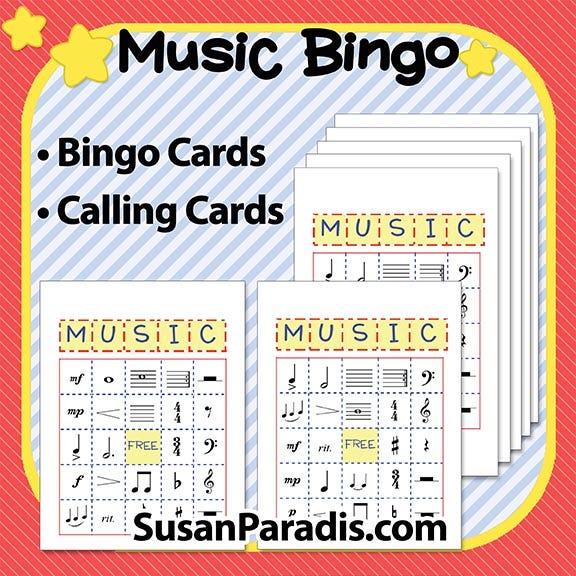
Music Bingo - We started this as soon as the first students came through the door and added more students when they trickled in. An opening activity like this is perfect for getting kids engaged right away and allowing for stragglers to join in.
Names and Get to Know you cards - With some new students this year, we went around our circle several times reviewing names. You can find a number of name games online, but we just went around the circle and challenged each other to say everyone’s names this time. I then had each student pick a Get to Know you card, read the question out loud, and share their answer with the group.
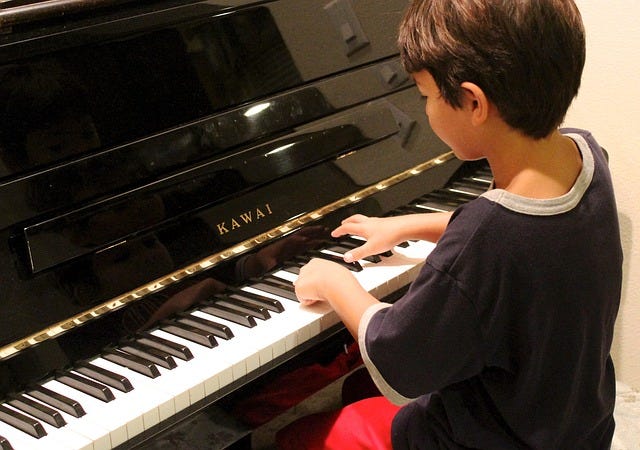
Music sharing - During the year, I require students to play at these gatherings as a way to practice performance and share their music with others. Since we took a break from lessons this summer, I had told parents earlier that their children could choose to play something or not this time. About half of my students chose to play! 🎶
Intervals - I led students through a Canva presentation of what musical intervals are and how we identify them. We then practiced identifying intervals on the staff by name (2nd, 3rd, 4th) without yet determining quality (major, minor, perfect). For some students, this was review, and for others it was completely new. We played several games to reinforce this concept.
Interval sort (cooperative). I printed two sets, cutting out the pieces ahead of time and putting them in envelopes. Then, I divided the students into two groups and had them work together to sort the intervals into the right boxes.
Interval flashcards and buzzers (competitive). I used a few pages from this free PDF of music flashcards and these buzzers to play a review game. I divided the students into two teams, had them line up one behind the other, and then showed an interval flashcard. The first person to hit the buzzer and name the interval correctly won a point for their team, then the two competitors moved to the end of the line.
Interval worksheets were passed out for homework, using the interval sort materials (uncut). I had a few other worksheets that were more advanced (source unknown) that I used for my older students.
We will continue to work on identifying intervals by sight and sound, both at the keyboard and in the music, throughout the year in our private and group lessons. For some students, this means taking a step back to secure note names and the concepts of skips and steps (and even line notes and space notes!), and for others, this will mean moving forward with ear training and identifying interval quality.
Finally, we ended our time with Boomwhacker karaoke, which is a big hit in my studio! This is a great way for students to make music together and practice steady beat. I used a YouTube playlist that I created of some of my favorite songs to play to, including a few warmups that are nice for preparing students to play together.
I plan to develop more interval resources as the year goes on, so keep your eyes out for those!
In the meantime, Happy Back to School! Let me know how your first lessons go! Are you doing anything new or different this year?